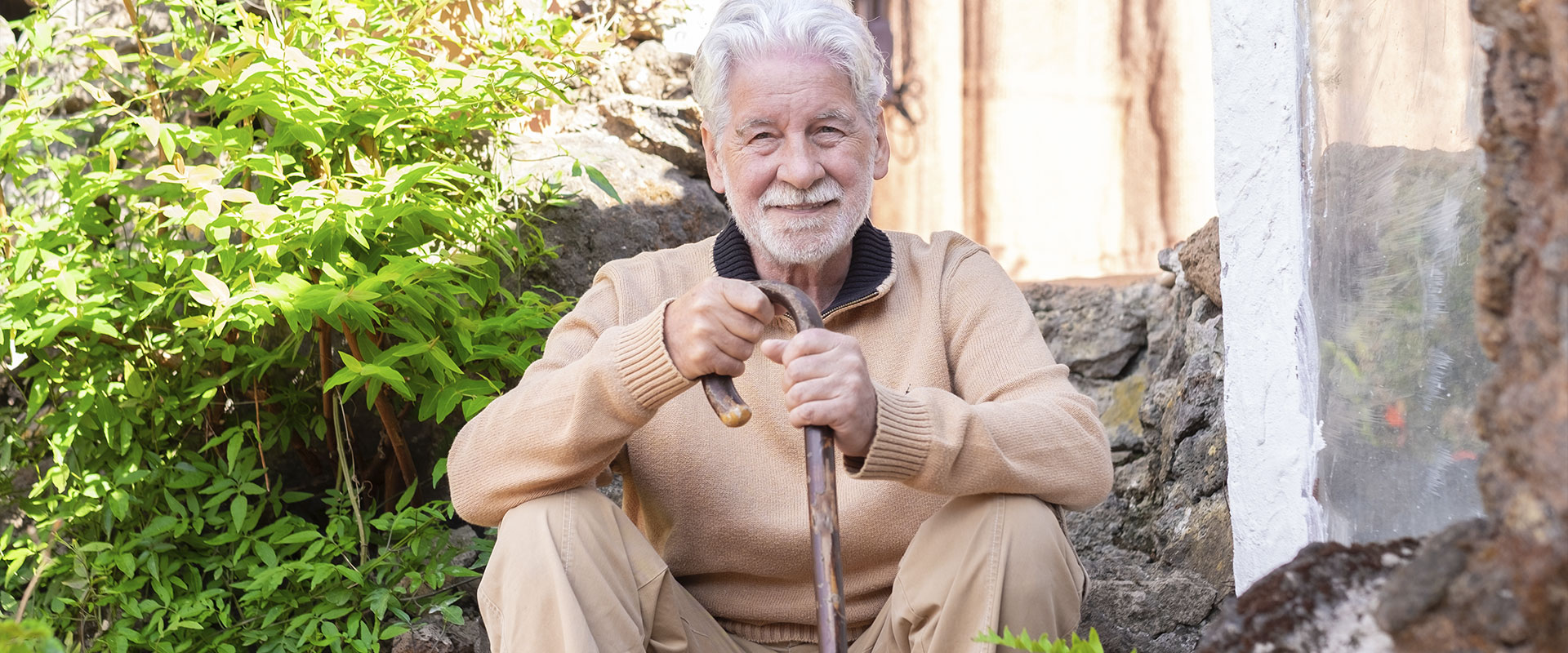
Rest homes: well-being and professional care for seniors
Rest homes: well-being and professional care for seniors
Culturally, one of the topics Mexicans tend to avoid is aging, and they don’t plan for their own old age or that of their parents. Unfortunately, this can lead to abandonment, delayed decisions, and undignified conditions—situations we strive to prevent in rest homes.
According to figures from the Instituto Nacional de Estadística y Geografía (INEGI), older adults in Mexico represented 14.7% of the population in 2023. By 2030, this figure could increase to 20%, and by 2050 to 27.7%. This trend demands that we act now to avoid a future marked by neglect and precarious living conditions.
The country is aging without preparation, without a clear strategy or regulations, and sometimes with practices that border on abuse. This represents a silent crisis with profound human consequences
3 shortcomings that hinder quality of life in old age
At Dämadi SweetHomes, we have identified three major structural shortcomings in the country:
- – Lack of regulations in some rest homes or senior care facilities.
- – Proliferation of makeshift spaces, untrained staff, and no established protocols.
- – Emotional and practical disconnection from families.
One of the main problems is that senior care facilities promise special care and attention, but not all of them have optimal conditions or qualified staff. There is no medical follow-up, no therapists, and sometimes there is no respect. Improvising care can also be considered institutional violence.
Dämadi: A rest home with specialists in senior care
Given this situation, at Dämadi SweetHomes we have developed a different alternative. Our rest homes are small, with warm environments, highly trained staff, and a human touch. In this way, we promote their well-being.
We don’t work with patients. We work with people. Each of our guests has a name, a life story, and emotions that deserve to be respected. Our main differentiator is the connection we build.
At Dämadi, we also promote proactive prevention. Sometimes, families wait for an accident or crisis to make decisions. The reality is that early admission to a retirement home doesn’t mean a loss of autonomy; it means extending freedom with professional support.
What is the difference between rest homes and asylums?
Although these terms are often used interchangeably, they are not the same. An asylum is a traditional model, mostly focused on providing care, and tends to have a passive approach. It generally operates with limited resources, lacks clear regulations, and can lead to abandonment.
In contrast, rest homes and senior living facilities operate under a professional model focused on well-being. They strive for physical, emotional, and social activation. They follow strict protocols and structures, and are staffed by specialized professionals. Furthermore, they are typically perceived as a warm, alternative home.
Many asylums were designed to house, not to care for; while rest homes seek to improve the quality of life, not just sustain it.
Senior Care is a Shared Responsibility
One of Dämadi’s missions is to actively involve families in the care of their loved one. It’s not about leaving them somewhere and disappearing, but about caring for them together. This, along with the creation of individualized plans for each resident, leads to better physical, emotional, and social outcomes.
Toward a National Care Agenda
As part of our commitment to raise awareness of the need for a national agenda for the care of older people, we have launched a campaign that includes the following:
- – Mandatory minimum standards in rest homes and assisted living facilities
- – Public funding for professional models
- – Ongoing staff supervision and training
- – Recognition of care as a human right, not a luxury.
“Old age should not be lived in the shadows. It should be lived with presence, with respect, with community. It’s not about lasting, it’s about living,” said Alejandra Solórzano, general director of the Dämadi Foundation.


